





Recruitment
Three months building a candidate-screening flow in Zapier. It ran for two weeks, then silently dropped applications when the job board changed its webhook format. Nobody noticed for six weeks.
 Reviewed on
When to build it yourself and when to bring in an agency, including the times DIY is the better call. Here's how the two approaches compare on cost, time and who looks after the system once it's live.
Book your free AI readiness auditOn paper, DIY looks cheaper. In practice, the bill can arrive later, in time spent debugging and systems nobody else can maintain. These are six costs to weigh up before you start.

Learning the tool is only the start. Map the process, build it, test the edge cases and budget for maintenance. If that work takes someone away from clients, include their billable time in the cost.
Connecting two apps is different from designing a system across departments. You'll need to understand how the data moves, who owns each step and what should happen when a tool fails.
A workflow can pass a test and still fail on a real customer's data. Try missing fields, duplicate records and interrupted connections before you let it run without supervision.
Decide who gets alerted when a run fails and how your team will recover. Keep a manual fallback for work that can't wait, and test it before launch.
Know which data leaves your systems, which tools receive it and who can access it. Review permissions before connecting accounts, especially when you're handling client information.
Individual automations can save minutes while leaving the wider process fragmented. Map the whole workflow first so you're building connections your team will use.
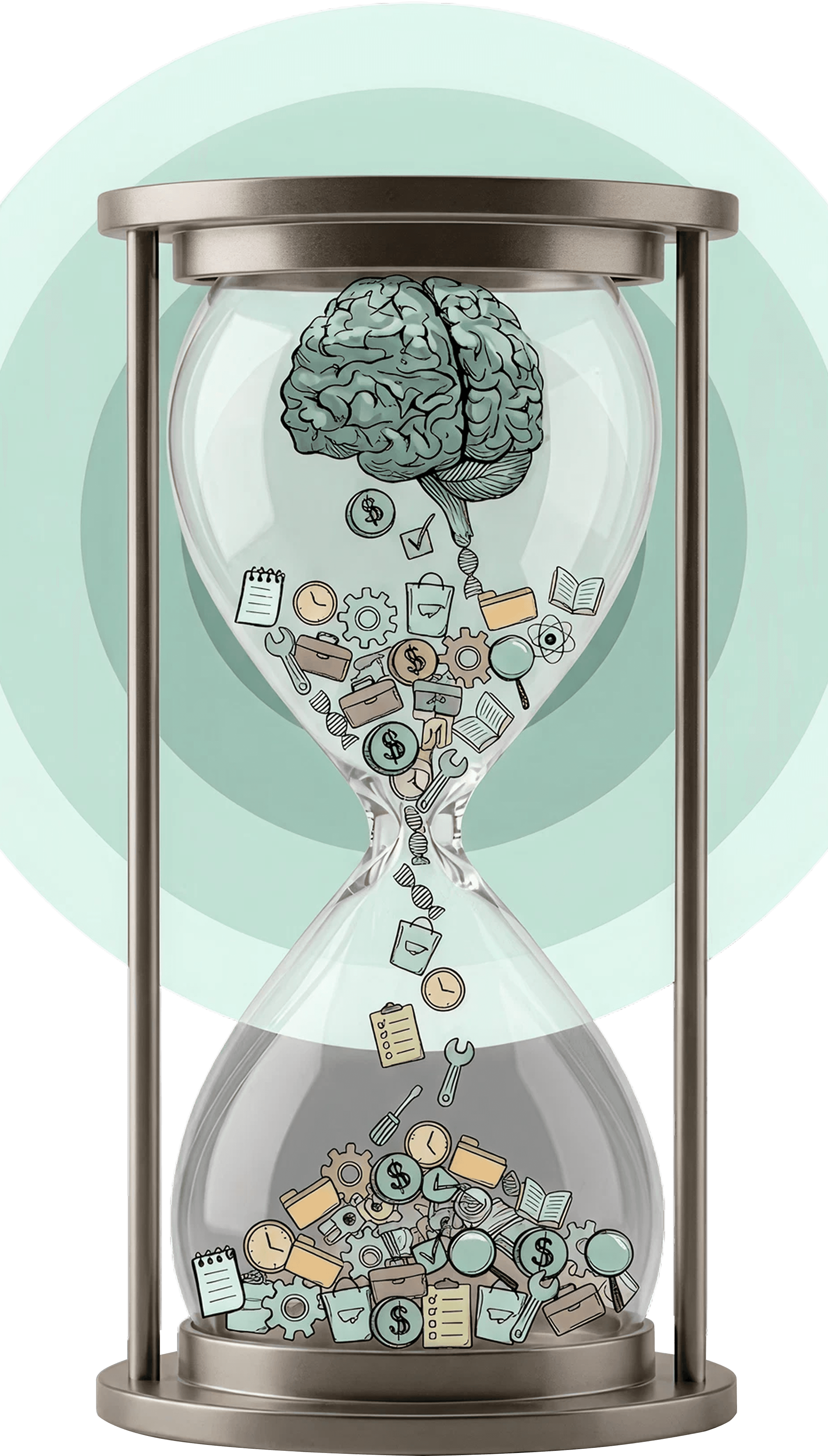
The real cost of building it yourself
The subscription is only part of what you'll pay.
Count the time your team spends learning, building and debugging, too. Someone needs to maintain the automations when a tool changes, and document them so the knowledge doesn't leave with the person who built them.
DIY can still be the right choice.
Compare both approaches against the work your team needs to do.
 Task / outcome |  DIY (do it yourself) |  Montaj Digital |
|---|---|---|
| Workflow mapping and documentation | Informal or skipped | Structured, comprehensive |
| Automation across departments | Ad hoc, single-tool | Planned, connected |
| Strategic build order | Build what's obvious first | Highest impact first |
| Error handling and fallbacks | Often forgotten | Built in from the start |
| SOPs written alongside the build | Rarely happens | Every automation documented |
| Team adoption and training | Owner-led, inconsistent | Structured handover |
| Maintenance when tools update | Falls on your team | Handled within the agreed scope |
| Integration complexity | Limited by tool and team skills | Custom builds where needed |
| Key-person dependency | High if only one person knows the build | Lower with documentation and handover |
| Upfront cost | Lower | Higher |
| Speed for simple single-tool tasks | Fast | Slower: the process takes time |
| Full internal control | Yes | You own it; agency-led during the build |
Compare DIY with the Montaj way
These are common trade-offs, not limits on what an experienced in-house team can achieve. Maintenance and handover depend on the scope you agree.
 You have a technically capable person internally with spare capacity, without taking time away from client work.Your workflows are simple: one or two tools connected by a straightforward trigger and action.You're comfortable owning the maintenance long term.Budget is the main constraint and your timeline is flexible.Workflows span multiple departments or more than three systems.You need documentation and SOPs produced alongside the build.The value of recovered time justifies the investment.Previous DIY attempts stalled or produced automations nobody uses.The person who would build it is already at capacity.
We're often called in when a DIY build stops working. Here are three patterns we see:
Three months building a candidate-screening flow in Zapier. It ran for two weeks, then silently dropped applications when the job board changed its webhook format. Nobody noticed for six weeks.

A VA built the client-reporting automation. The VA left, no documentation existed, and the whole thing was rebuilt from scratch, for more than commissioning it properly would have cost.

An ops manager automated job costing in Make for the workflows he knew. The workflows he didn't know about, 40% of the opportunity, were never mapped.
We measure success in hours returned to your firm each month. That means looking at the time your team gets back once the system is running.
Typically, the AI Operating Systems we deploy save 20% to 40% of admin time per employee within the first 90 days of launch.

Bring the workflow you're considering to a free AI discovery audit. We'll talk through what your team can build, where you might need help, and whether the time saved would justify the cost.
Leave with a clearer view of where to start.
Reviewed onIf your question isn't answered here, book a free AI readiness call and we can talk it through.
You can, and for a handful of simple, low-stakes automations that's often the right call. Allow time to test failures, document the build and maintain it when tools change. If the workflow spans departments or handles work you can't afford to lose, it may be worth bringing in help.
By clicking “Accept”, you agree to the storing of cookies on your device to enhance site navigation, analyse site usage, and assist in our marketing efforts. View our Privacy Policy for more information.